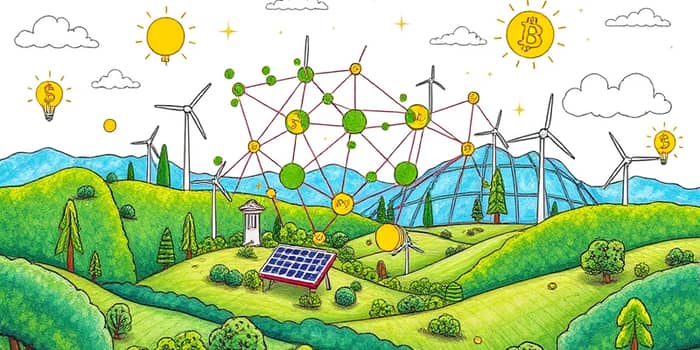
In a world grappling with climate change and resource depletion, digital innovation can either worsen or alleviate environmental pressures. Sustainable digital assets offer a path forward, uniting cutting-edge technology with conscientious design. By leveraging blockchain’s potential to bring transparency, security, and efficiency, these assets are reshaping how we envision finance, energy, and global supply chains.
The urgency of our moment demands solutions that not only drive progress but also honor ecological limits. Sustainable digital assets embody this dual imperative, forging a new generation of crypto and tokens that put planet before profit.
The Rise of Sustainable Digital Assets
The concept of sustainable digital assets revolves around designing cryptocurrencies, tokens, and datasets to minimize environmental impact through energy-efficient mechanisms. Instead of competing for ever-greater computing power, these projects innovate to ensure every transaction leaves the smallest possible footprint.
Beyond mere technical improvement, they create opportunities for transparent, tamper-proof recording of transactions—ideal for tracking carbon credits, verifying renewable energy trades, and ensuring ethical sourcing across supply chains. As public awareness of climate issues grows, demand for such accountable solutions is soaring.
Challenges with Traditional Blockchains
Proof-of-Work (PoW), the consensus mechanism underpinning Bitcoin, sparked the blockchain revolution but carries a steep environmental price. The race to solve cryptographic puzzles consumes vast amounts of electricity, often generated by fossil fuels.
As networks scale, so does their energy demand, creating e-waste from obsolete mining hardware and contributing significantly to global carbon emissions. Without intervention, these trends risk undermining the very ethos of decentralization by linking progress to unsustainable resource use.
Eco-Friendly Consensus Mechanisms
Innovators have developed alternatives that drastically cut energy use compared to PoW while preserving security and decentralization. These mechanisms enable faster, cheaper, and greener networks, paving the way for widespread adoption.
Layer 2 solutions—such as sidechains and rollups—offer further gains by moving transactions off the main chain, reducing congestion, fees, and environmental load. These complementary approaches help networks adapt to growing demand without sacrificing sustainability.
Leading Eco-Friendly Blockchains
Several projects stand out for their commitment to a net-zero future:
- Algorand (ALGO): A pure PoS network that achieves carbon-negative status through offset partnerships.
- Cardano (ADA): Employs the peer-reviewed Ouroboros PoS protocol for secure, low-energy transactions.
- Chia (XCH): Pioneers Proof-of-Space and Time by repurposing idle storage resources.
- Tezos: Leverages Liquid PoS for a dynamic, energy-conscious validation process.
- Ethereum (post-merge): Reduced its energy footprint by over 99.9% after transitioning to PoS.
These platforms demonstrate that environmental responsibility and robust performance can go hand in hand, inspiring a wave of new green cryptocurrencies.
Applications in Sustainability
Beyond trading and investment, blockchain technology unlocks transformative use cases in ecology and climate action. Its blockchain's immutable ledger for secure recording ensures that data about real-world assets remains verifiable and tamper-resistant.
- Carbon Footprint Tracking: Tokenize emissions data, automate verification via smart contracts, and maintain privacy with zero-knowledge proofs.
- Renewable Energy Trading: Enable peer-to-peer solar and wind power sales on decentralized grids.
- Supply Chain Transparency: Trace materials from source to shelf, ensuring ethical practices and reducing fraud.
- Waste Management: Tokenize recycled goods and certify proper disposal or repurposing.
- Ecosystem Restoration: Verify reforestation and carbon sequestration projects through open monitoring protocols.
- Incentives & Compliance: Issue rewards or reputation tokens for sustainable behaviors and track regulatory adherence.
These applications foster accountability across industries, aligning market incentives with environmental stewardship.
Frameworks and Metrics for Impact
To measure and standardize sustainability efforts, several frameworks have emerged:
The Ethereum Climate Platform unites developers and stakeholders around best practices, while Regen Network implements verifiable carbon sequestration monitoring protocols for ecosystem projects. Consulting firms like PwC offer a comprehensive blockchain sustainability framework that quantifies electricity use, greenhouse gas emissions, e-waste, and embodied carbon—key inputs for global reporting standards.
Industry commitments are rising: over one-third of assets under management aim for net-zero targets by 2030, and a growing list of public companies pledges carbon neutrality by 2050. Yet challenges remain, including interoperability between networks and scaling solutions that handle ever-increasing transaction volumes.
The Road Ahead: Scaling Sustainability
As blockchain technology matures, its role in fostering long-term environmental and social change will only grow. By embracing flexible staking model for energy efficiency and continually refining consensus designs, developers can build ever-greener networks.
Consumers and institutions alike hold power: choosing eco-friendly assets and supporting transparent, low-footprint projects amplifies impact. Together, we can transform digital finance into a force for regeneration, not depletion, driving innovation while honoring our shared home.
The path to a sustainable future depends on collaboration across sectors, from technologists to policymakers to everyday users. Let us seize this moment to pioneer solutions that elevate human prosperity and preserve the planet for generations to come.
References
- https://www.ibm.com/think/topics/blockchain
- https://www.infuy.com/blog/green-ledgers-how-blockchain-technology-is-paving-the-way-for-environmental-sustainability/
- https://lifestyle.sustainability-directory.com/area/sustainable-digital-assets/resource/1/
- https://www.computerscience.org/resources/blockchain-and-sustainability/
- https://www.iberdrola.com/sustainability/green-cryptocurrencies
- https://www.youtube.com/watch?v=9dTAPvj6V4A
- https://www.pwc.com/us/en/services/digital-assets/blockchain-environmental-impact.html
- https://futurethinkers.org/blockchain-environment-climate-change/
- https://www.schellman.com/blog/crypto-and-blockchain/what-is-a-digital-asset
- https://www.deloitte.com/us/en/what-we-do/capabilities/blockchain-digital-assets/services/blockchain-digital-assets-definition.html
- https://www.cifaralliance.org/blockchain-for-climate-innovation