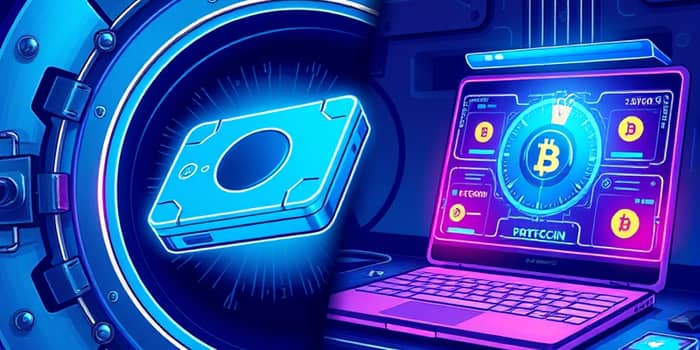
As cryptocurrencies reshape the financial landscape, safeguarding your holdings has become a vital responsibility. From small investors dreaming of life-changing returns to institutions managing millions in assets, the choice of how and where you store your tokens can mean the difference between triumph and devastating loss. By understanding the fundamental differences in wallet technology and security measures, you can protect your most precious assets and build a foundation of trust in your digital journey.
Digital wallets serve as gateways to the decentralized economy, granting you the power to send, receive and store assets with ease. However, not all wallets are created equal. Some prioritize convenience and speed, connecting you to markets and DeFi protocols in seconds. Others emphasize absolute security by keeping private keys offline. Recognizing these distinctions is the first step toward a strategy that balances accessibility with defense. Whether you depend on mobile applications or desktop clients, selecting a wallet that reflects your comfort with technology and security trade-offs can empower you to navigate volatile markets without fear.
Understanding Hot and Cold Wallets
At the heart of wallet design lies a simple dichotomy: connectivity. Hot wallets are software solutions that remain connected to the internet, enabling real-time transactions and flexibility across exchanges, mobile apps and decentralized applications. Non-custodial hot wallets give you complete control of your private keys, allowing you to manage funds without third-party intervention. They cater to users who require seamless access and integration with blockchain services, whether for trading, staking or exploring new protocols.
In contrast, cold wallets store private keys offline on dedicated hardware devices or even paper backups. Their isolation from network vulnerabilities makes them nearly impossible for hackers to breach, offering a fortress-like barrier against remote attacks. While they require additional steps to move funds on and off the device, their design is optimized for long-term storage and the highest level of defense.
Weighing the Advantages and Risks
Neither hot nor cold solutions are perfect. Each presents advantages and trade-offs that depend on your goals, frequency of transactions and risk tolerance. By assessing the benefits against potential vulnerabilities, you can craft a storage strategy that aligns with your financial ambitions and appetite for security.
Advantages of Hot Wallets
For active traders, hot wallets deliver:
- Immediate access to funds for quick trades
- User-friendly interfaces designed for beginners
- Integration with dApps and DeFi platforms
- No need for extra hardware or setup
Despite their convenience, hot wallets carry inherent risks. Constant online connectivity exposes private keys to phishing schemes, malware and exchange vulnerabilities. Implementing strong passwords, multi-factor authentication and VPNs can help mitigate these dangers, but absolute security remains elusive when your wallet is visible on the web.
Traders can reduce exposure by limiting hot wallet balances and using custodial services only when necessary. Platforms offering MPC-secured wallets distribute key management across multiple servers, decreasing single-point-of-failure risks.
Advantages of Cold Wallets
When your primary goal is security, cold storage excels in safeguarding large balances and long-term holdings:
- Offline key storage prevents remote hacking attempts
- Immune to exchange failures and server breaches
- Ideal for institutional reserves and legacy planning
- Private keys never touch an internet-connected device
However, cold wallets also present challenges. Transactions require physical access to the device, slowing down trading activity. Losing your hardware or seed phrase without a backup can render assets irretrievable. Additionally, the upfront cost of quality hardware wallets, typically between $149 and $249, may deter casual users.
Some users even diversify across multiple hardware devices or combine them with paper backups stored in bank safety deposit boxes to hedge against accidental damage or theft.
Hybrid Strategy: Best of Both Worlds
For many investors, the optimal approach combines the strengths of both wallet types. By keeping a modest sum in a hot wallet for daily use and channeling the bulk of your portfolio into cold storage, you maintain liquidity without sacrificing security. You can also employ multi-signature wallets that require approvals from separate devices or trusted parties, further reducing the risk of unauthorized access. Certain third-party custodians offer insured cold storage vaults, marrying professional oversight with self-custody features. This best of both worlds strategy ensures you can seize market opportunities instantly, while your core fortune remains under lock and key.
Leading hardware devices incorporate fortified elements like secure chips, tamper-evident casings and advanced firmware protocols. Models such as Trezor Safe 7 leverage quantum-ready architecture for future protection, while devices like Ledger Nano X store keys on CC EAL5+ certified elements. These innovations ensure your private keys remain insulated from evolving threats and technological breakthroughs.
Proactive Measures and Best Practices
Beyond selecting the right wallet type, implementing robust security measures is essential. Consider the following strategies to reinforce your defenses:
- Use multi-factor authentication and hardware security modules
- Maintain offline backups of seed phrases in secure locations
- Employ VPN services to encrypt trading sessions
- Regularly update firmware and wallet software
In addition, stay vigilant against phishing scams by confirming website URLs, verifying smart contract addresses and reviewing transaction details before approval. Conduct periodic security audits and engage with community forums to stay informed about emerging threats and best practices.
Always verify firmware authenticity by checking vendor signatures and audit logs, and consider participating in bug bounty programs to contribute to the community’s security intelligence.
Conclusion: Empowering Your Digital Future
Your digital fortune deserves a strategy that balances convenience, accessibility and uncompromising security. By blending hot and cold wallets, leveraging advanced hardware innovations and adhering to best practices, you can achieve ultimate peace of mind and security as you navigate the cryptocurrency landscape. Begin by evaluating your risk tolerance, identifying your transactional needs and establishing a backup plan that safeguards against the unexpected.
Embrace the journey of financial sovereignty with confidence. Whether you prioritize instant trading or long-term preservation, the tools and knowledge are at your fingertips. Take action today to fortify your defenses, preserve your wealth and participate in the digital revolution with clear eyes and a steady hand.
References
- https://calebandbrown.com/blog/cold-storage-vs-hot-wallets-understanding-the-best-options-for-secure-crypto/
- https://www.coingecko.com/learn/top-cold-hardware-wallets-crypto
- https://www.cobo.com/post/cold-vs-hot-crypto-wallet
- https://www.businessinsider.com/personal-finance/best-crypto-wallets
- https://www.gemini.com/cryptopedia/crypto-wallets-hot-cold
- https://www.swanbitcoin.com/education/best-bitcoin-wallet/
- https://www.coinbase.com/learn/wallet/hot-vs-cold-crypto-wallet-what-is-the-difference
- https://www.youtube.com/watch?v=Aa4mAUEnV-Q
- https://www.fireblocks.com/blog/hot-vs-warm-vs-cold-which-crypto-wallet-is-right-for-me
- https://money.com/best-crypto-wallets/
- https://www.kaspersky.com/resource-center/definitions/hardware-vs-cold-wallets
- https://shop.ledger.com/pages/hardware-wallets-comparison
- https://www.youtube.com/watch?v=Ocktj7fDYeo
- https://coinledger.io/tools/best-crypto-wallet