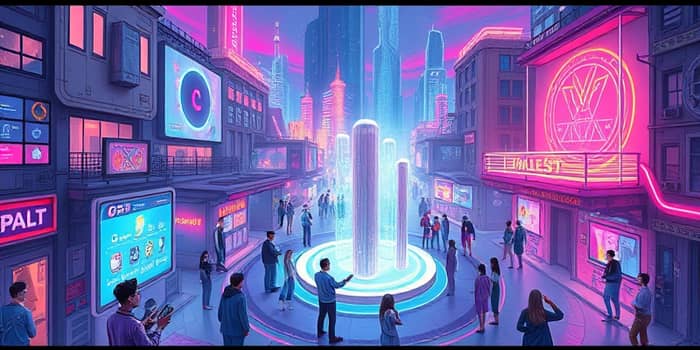
The metaverse is rapidly transforming from a futuristic idea into a bustling digital reality, where individuals, businesses, and creators converge in immersive virtual worlds. This new frontier offers unprecedented opportunities to engage in commerce, creativity, and social interaction, all driven by tokenized assets and digital currencies. As market forecasts predict valuations soaring into the trillions by 2030, understanding the dynamics of this economy is crucial for anyone seeking to participate meaningfully and profitably.
Explosive Market Growth and Future Prospects
Analysts estimate the metaverse market was valued between $82 billion and $105 billion in 2023–2024. Projections point to a potential trajectory reaching $1.3 trillion by 2032 or even $5.7 trillion by 2035, fueled by a compound annual growth rate above 40%. These numbers reflect not just speculation, but tangible investments in super-immersive hardware innovations, Web3 infrastructure, and interoperable digital identities that will underpin the next generation of online experiences.
This growth is driven by advances in VR headsets, haptic feedback devices, and high-speed connectivity like 5G and upcoming 6G networks. As latency drops and graphical fidelity increases, the barrier to entry for mainstream users will diminish, paving the way for widespread adoption in gaming, education, socializing, and e-commerce.
Key Sectors Shaping This Digital Frontier
Several industries are already staking their claim in the metaverse economy. Understanding these sectors provides insight into where the most vibrant opportunities lie and how you can position yourself to benefit.
- Gaming and Entertainment: The most mature sector, featuring in-game purchases, live virtual concerts, and global fan engagement. Real-money player economies flourish as asset transferability between platforms grows.
- Retail and Virtual Commerce: Brands experiment with VR shopping, hybrid physical-digital stores, and digital wearables, boosting average basket sizes and consumer engagement through interactive experiences.
- Finance and Banking: Decentralized finance services offering token loans, virtual asset collateral, and seamless payments are emerging, as traditional institutions partner with Web3 platforms for compliance and liquidity solutions.
- Social and Work: Persistent digital identities and avatar-driven interactions will enable remote work, virtual classrooms, and social gatherings, with millions expected to spend hours daily in these environments by 2026.
Digital Assets Powering Virtual Economies
At the heart of the metaverse economy are its digital assets, which range from virtual land parcels to unique collectibles. Each asset category supports a thriving ecosystem where value is determined by scarcity, provenance, and utility.
Monetizing Creativity: Marketplaces and Models
Creators and entrepreneurs have a variety of platforms and monetization strategies to choose from. Whether you are an artist, developer, or brand, the metaverse offers flexible models to reach global audiences directly.
- Creator Marketplaces: Platforms like Rarible and SuperRare enable artists to mint and sell unique digital works, capturing resale royalties automatically.
- Subscription and Access Models: Premium content passes, virtual event tickets, and rental models for virtual property generate recurring revenue streams.
- B2C and C2C Transactions: From direct sales of wearables to peer-to-peer land trades, decentralized marketplaces cut out intermediaries and increase profit margins.
Technological Forces Enabling Immersion
Several innovations are converging to create deeply engaging virtual spaces. As these technologies mature, they will underpin every aspect of the metaverse experience.
- Blockchain scalability solutions reducing transaction costs and increasing speed for high-volume commerce.
- 5G and emerging 6G networks enabling near-zero latency experiences with large numbers of concurrent users.
- Extended Reality (XR) devices providing tactile feedback and spatial audio for true immersion.
Navigating Regulation and Future Trends
Regulatory frameworks are evolving to address digital taxation, intellectual property rights, and consumer protections. Early movers who stay informed on global policy shifts will be better positioned to avoid pitfalls and capitalize on incentives.
By 2030, virtual and physical economies are expected to blend seamlessly. Brands will launch exclusive digital product lines, and investors will treat metaverse real estate and tokens with the same seriousness as traditional assets. Institutions are already exploring tokenized bond offerings and decentralized governance models within virtual universes.
Practical Steps for Engaging with the Metaverse Economy
Whether you are a creator, investor, or curious explorer, here are actionable guidelines to begin your journey:
- Research reputable platforms and understand their tokenomics before committing capital.
- Experiment with free or low-cost virtual land and wearables to learn the mechanics of trading and customization.
- Collaborate with other creators to co-host virtual events or build joint digital storefronts.
- Stay informed on regulatory changes and secure digital assets using best practices in wallet management.
Conclusion: Embracing a New Economic Frontier
The metaverse economy represents a paradigm shift in how value is created, exchanged, and experienced. By leveraging persistent digital identities, verifiable ownership with NFTs, and seamless virtual transactions, participants can unlock novel revenue streams and transformative social interactions. As technology evolves and regulations mature, the opportunities will only expand.
Now is the time to explore, create, and invest. The digital frontier beckons with untold possibilities—dive in and shape the future of commerce, community, and culture in the metaverse.
References
- https://www.timesofblockchain.com/price-prediction/metaverse-economy-forecast-2026-2030/
- https://builtin.com/blockchain/metaverse-nft
- https://www.sganalytics.com/blog/shopping-playing-or-working-how-will-you-be-spending-your-time-in-the-metaverse-in-2026/
- https://3dcloud.com/metaverse-content-101-types-examples-and-creators/
- https://www.weforum.org/stories/2022/03/hour-a-day-in-metaverse-by-2026-says-gartner/
- https://touchcast.com/blog-posts/metaverse-nfts
- https://www.startus-insights.com/innovators-guide/metaverse-outlook/
- https://chain.link/education/metaverse
- https://www.insightaceanalytic.com/report/metaverse-market/1663
- https://www.pwc.com/us/en/tech-effect/emerging-tech/understanding-cryptocurrency-digital-assets.html
- https://ms-researchhub.com/home/resources/the-global-economy-this-week/title-the-metaverse-revolution-a-new-economic-frontier.html
- https://www.gemini.com/cryptopedia/what-is-metaverse-crypto-nft-game-blockchain
- https://www.weforum.org/videos/davos-am23-a-new-reality-building-the-metaverse-english/
- https://www.covenantchambers.com/articles/digital-assets-in-the-metaverse-of-madness