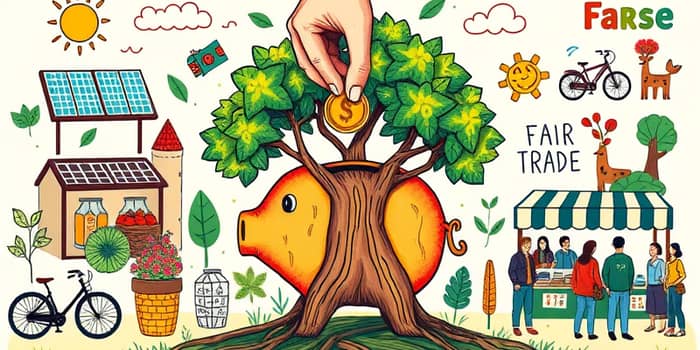
In an era defined by rapid consumption and fleeting trends, each purchase becomes more than a transaction—it serves as a vote for the world we want to create. By weaving ethics, environmental stewardship, and community impact into our financial choices, we cultivate a profound sense of purpose and pave the way for lasting change.
Understanding Sustainable Spending
Sustainable spending involves making conscious financial choices that reflect personal priorities while protecting the planet and society for future generations. It asks us to distinguish between essentials and driven desires, focusing on needs versus manufactured consumer wants by examining the true drivers behind our impulses.
At its heart, sustainable spending promotes choosing quality over quantity—opting for a durable coat crafted from recycled materials instead of a fleeting fast-fashion piece. It also encourages supporting ethical and local businesses, from farmers’ markets to cooperatives, boosting regional economies and reducing carbon footprints by limiting transport distances.
Key Principles and Strategies
Embracing sustainable spending calls for a multi-dimensional approach. The following table highlights three critical impact areas and practical examples to guide everyday decisions:
Each of these areas showcases how our spending can generate positive ripples—reducing waste, upholding human dignity, and reinforcing community bonds with every dollar spent.
Mindset and Advanced Frameworks
Moving beyond basic transactions requires adopting the concept of “enough”—recognizing that perpetual accumulation rarely yields enduring happiness. This shift counteracts the hedonic treadmill effect, where initial excitement from purchases fades quickly, prompting another round of consumption.
Academically, sustainable spending draws from a blend of disciplines that challenge growth-at-all-cost models and reframe prosperity around well-being and ecological limits:
- Ecological economics: Prioritizes finite resources and advocates systems that operate within planetary boundaries.
- Behavioral economics: Uncovers psychological drivers such as materialism, social comparison, and impulse buying.
- Ethical consumption studies: Frames purchasing as a moral imperative, drawing on virtue ethics and consequentialist thought.
By understanding these frameworks, consumers transform from passive buyers into active agents fostering equity and planetary health, redirecting funds toward enduring experiences, education, and community causes.
Financial Planning and Budgeting for Sustainability
Integrating eco-conscious choices with sound fiscal management ensures both personal stability and broader impact. A sustainable budget aligns spending growth with real-world metrics—such as population growth plus inflation—avoiding unsustainable deficits while preserving long-term purchasing power.
Empirical research suggests that targeted spending cuts often deliver stronger economic recoveries than tax increases, as demonstrated by work from Alesina and Ardagna. Over the past decade, adhering to disciplined, growth-aligned budgets could have saved taxpayers an estimated $2.5 trillion in debt and interest, translating into more resources for job creation and innovation.
Nonprofit organizations apply similar principles through “smoothing techniques,” maintaining stable annual expenditures despite market volatility. For instance, targeting a 4.5% sustainable withdrawal rate—calculated as an expected 7.5% return minus 3% inflation—helps preserve capital over decades while supporting mission-driven work.
Benefits of Sustainable Spending
Adopting sustainable spending habits yields a spectrum of rewards that extend beyond individual finances:
- Personal well-being and savings: Lower utility bills from green energy investments, reduced transport costs via cycling, and stress relief from mindful consumption.
- Environmental preservation: Reduced waste generation, lower greenhouse gas emissions, and decreased resource depletion through conscious sourcing.
- Economic and societal resilience: Strengthened local economies, fair labor markets, and progress toward climate goals without overburdening future generations.
Together, these benefits cultivate a virtuous cycle where each conscientious decision plants seeds for broader sustainability and collective flourishing.
Taking Action: Your Next Steps
Start by reframing your mindset: view every dollar as an opportunity to support the world you believe in. Before your next purchase, pause and ask whether it aligns with your highest values—be it environmental stewardship, social justice, or personal growth.
Begin with small, manageable changes. Swap disposable items for durable alternatives, redirect entertainment budgets toward learning experiences, or choose a certified fair trade product at your grocery store. Track your progress and celebrate milestones—each step builds momentum and confidence.
Finally, share your journey with others. Conversations about sustainable spending spark curiosity, inspire collective action, and nurture a supportive community of change-makers. When we align our financial habits with our deepest convictions, we not only transform our own lives but also contribute to a healthier, more equitable world for generations to come.
References
- https://lifestyle.sustainability-directory.com/term/sustainable-spending/
- https://clubforgrowthfoundation.org/policy-reports/sustainable-budgeting-a-pro-growth-blueprint-for-fiscal-responsibility-in-the-states/
- https://blog.se.com/sustainability/2022/10/12/define-sustainable-living-and-its-benefits/
- https://goelzerinc.com/insights_post/sustainable-spending-policy-what-nonprofits-should-know/
- https://www.rmagreen.com/rma-blog/what-are-the-benefits-of-becoming-sustainable
- https://lifestyle.sustainability-directory.com/area/sustainable-spending/resource/1/
- https://fsc.org/en/blog/why-is-sustainability-important
- https://www.governing.com/finance101/gov-what-is-a-sustainable-budget-vs-a-balanced-budget.html