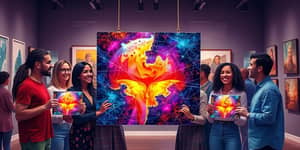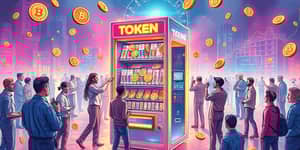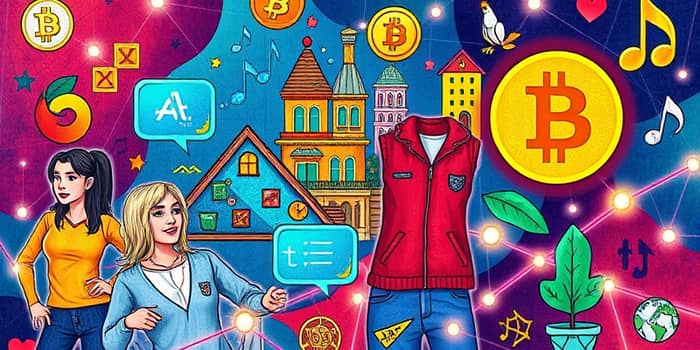
The world of NFTs has transformed from a niche for digital artists into a thriving ecosystem reshaping industries. As we move into 2026, the narrative is no longer about speculative art sales alone, but about unlocking real-world value and utility.
Understanding NFT Fundamentals
Non-fungible tokens rely on unique digital identifiers stored on blockchain networks, cementing authenticity and ownership beyond traditional records. Unlike interchangeable cryptocurrencies, each NFT represents a one-of-a-kind asset, whether digital or physical, through immutable smart contracts.
At their core, NFTs are built on standards like ERC-721 and ERC-1155, enabling developers to mint tokens that link to metadata without embedding entire media files. That foundation of decentralized provenance ensures transparency: every transfer, sale, or creation is recorded on chains such as Ethereum, where over 62% of NFT contracts reside.
Key characteristics of NFTs include uniqueness, indivisibility, and transferability, supported by blockchain immutability. These features foster trust in new markets where collectors, gamers, and enterprises transact with confidence in the verifiable history of each token.
Market Trends in 2026
After the explosive rise and subsequent correction of 2021–2022, the NFT landscape has matured. In 2025, the global market reached $43.08 billion, and projections estimate growth to $60.82 billion by 2026, driven by utility-focused applications. Active wallets on Ethereum now exceed 505,000 monthly, engaging in trading volumes around $720 million.
Geographic adoption reveals Asia-Pacific leading with 2.8 million owners. India boasts 13.5% household penetration, while Hong Kong and Singapore follow closely. In North America, the U.S. market cap in 2026 stands at $5.6 billion, underscoring its sustained leadership.
Enterprise engagement has surged: 23 governments pilot NFT-based credentials, and tokenized real estate skyrockets to $78 billion. These developments illustrate how digital certificates can bridge the online and offline worlds, providing new pathways for innovation.
Expanding Horizons: Key Use Cases
NFTs are no longer confined to digital art galleries. The technology is unlocking diverse sectors by delivering verifiable ownership and new revenue streams for creators and consumers alike.
In gaming, play-to-earn models dominate nearly 38% of transaction volumes. Players truly own in-game assets—avatars, skins, and virtual land—transferrable across marketplaces. This shift empowers gamers to monetize their skills and creativity.
- Real Estate: $1.4 B market for virtual properties, up 32% YoY.
- Fashion: $890 M in digital wearables, elevating brand engagement.
- Music: $520 M in royalties and streaming tokens, redefining artist compensation.
Luxury brands leverage phygital NFTs—physical goods linked to digital certificates—driving 60% volume growth. Sustainability projects tokenizing carbon credits have reached $300 M, showcasing environmental impact through blockchain transparency.
Strategies for Impact and Adoption
To harness NFT potential, stakeholders should adopt best practices for creation, distribution, and community building. Artists, developers, and businesses can follow these guidelines:
- Define clear utility: Align NFTs with tangible benefits, such as exclusive access or revenue-sharing rights.
- Prioritize interoperability: Use cross-chain standards to ensure assets can migrate across platforms seamlessly.
- Engage communities: Foster active forums and events where holders collaborate and co-create.
Practical advice for newcomers includes selecting reputable marketplaces, verifying smart contract audits, and understanding gas fee optimization. By learning from early adopters, new entrants can reduce risk and maximize long-term value.
Looking Ahead: The Future of NFTs
Dynamic NFTs—tokens that evolve based on external data—are the fastest-growing segment, projected to expand at a 31% CAGR through 2031. These adaptive assets can reflect real-time events, from sports scores to environmental metrics, creating immersive experiences.
AI-integrated NFTs, making up 30% of new projects, demonstrate generative evolution: artwork and music compositions that change with user interaction. This innovation heralds a future where creativity is a living, participatory process.
The convergence of Web3, augmented reality, and tokenized credentials will further blur digital and physical boundaries. Early involvement positions individuals and organizations at the forefront of a paradigm shift, where ownership, identity, and value intersect on decentralized rails.
Conclusion
The evolution of NFTs from digital collectibles to multifaceted tools is a testament to human ingenuity. By embracing cross-industry collaboration and ethical frameworks, we can unlock transformative possibilities in finance, entertainment, and beyond.
Whether you’re an artist, entrepreneur, or enthusiast, the time to explore is now. Equip yourself with knowledge, connect with visionary communities, and contribute to a new era of digital empowerment.
References
- https://www.winston.com/en/legal-glossary/what-is-a-non-fungible-token-nft
- https://colexion.io/nft/market-size-trends/
- https://en.wikipedia.org/wiki/Non-fungible_token
- https://www.insightaceanalytic.com/report/non-fungible-token-nft-market/2706
- https://crypto.com/us/crypto/learn/what-is-an-nft-non-fungible-tokens-explained
- https://www.mordorintelligence.com/industry-reports/non-fungible-token-market
- https://www.ibm.com/think/topics/nft
- https://earnpark.com/en/posts/nft-market-2026-dead-or-just-different/
- https://www.law.cornell.edu/wex/non-fungible_token_(nft)
- https://www.binance.com/en/square/post/34966269791913
- https://www.coursera.org/articles/what-is-an-nft
- https://www.kucoin.com/news/flash/nft-market-shows-signs-of-recovery-in-2026-amidst-lingering-challenges
- https://www.youtube.com/watch?v=4dkl5O9LOKg
- https://www.soundverse.ai/blog/article/ai-music-nft-sales-data-market-trends-0911