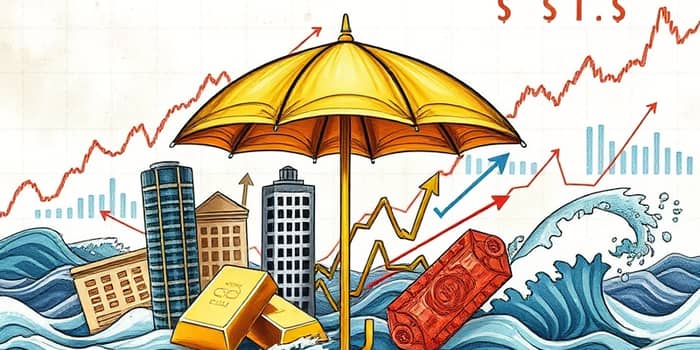
Inflation can feel like an invisible tide that eats away at purchasing power, yet with the right approach, investors can transform this challenge into an opportunity for growth and protection. As we head into 2026, understanding how to build a robust, adaptable portfolio is more critical than ever.
Forecasting Inflation in 2026
Economists predict that inflation rates in 2026 may remain volatile, driven by lingering supply chain disruptions, shifting consumer demand, and high debt refinancing needs. A patchwork of monetary policies—from rate hikes in some regions to quantitative easing in others—adds further complexity.
While many anticipate that easing supply constraints could pave the way for interest rate cuts, uncertainty persists. Geopolitical tensions, sticky wages, and evolving fiscal policies mean investors must prepare for scenarios where inflation stays elevated longer than expected.
Core Inflation-Hedging Assets and Strategies
Successful inflation protection relies on blending assets that benefit directly from rising prices with instruments that provide asymmetrical payoffs. Below is a concise overview:
Building a Resilient Portfolio
Diversification is more than a buzzword—it’s the cornerstone of preserving capital under inflationary pressure. By balancing traditional assets with specialized instruments, investors can achieve asymmetrical risk-return profiles that both limit downside and capture upside gains.
Key steps include:
- Establish an emergency fund covering 3-6 months of expenses to weather market turbulence.
- Allocate 10–20% to inflation-linked bonds like TIPS or international equivalents.
- Hold a tactical commodities position—consider gold, silver or oil futures via exchange-traded funds.
- Invest in real estate or REITs to benefit from rising lease rates and property values.
- Use options, such as protective puts, to hedge core equity holdings.
Sector Opportunities in an Inflationary World
Certain industries inherently possess stronger pricing power, enabling them to pass higher costs to consumers without curbing demand. Key sectors include:
- Consumer Staples: Household essentials deliver steady cash flows.
- Energy and Agriculture: Commodities tied to basic needs benefit from scarcity.
- Healthcare: Aging populations maintain demand for services and products.
- Utilities: Regulated pricing structures often adjust with inflation.
Allocating a portion of equity exposure to these areas can serve as a buffer when broader markets face pressure due to rising input costs.
Active Protection with Options
For investors willing to learn derivatives, options trading as a shield provides targeted insurance. Protective puts lock in a minimum sale price for stocks, while covered calls generate income that offsets inflation’s drag.
Example:
- A 5% at-the-money put on a core equity position can limit losses if markets decline beyond that threshold.
- Writing covered calls on high-dividend stocks can enhance yield by 3–5% annually, mitigating purchasing-power erosion.
Monitoring Economic and Policy Developments
Inflation dynamics are influenced by central bank actions and fiscal measures. Stay informed on:
- Interest rate decisions and forward guidance from the Federal Reserve, ECB, and others.
- Debt issuance calendars and government refinancing schedules.
- Supply chain disruptions or improvements, especially in energy and semiconductors.
Regularly reviewing these factors helps investors adjust allocations proactively, rather than reactively chasing performance.
Preparing for Downturns
Even in inflationary times, markets can enter corrections. A well-structured safety net includes:
- Liquidity reserves in money market funds or high-yield savings.
- Short-duration bonds to limit interest-rate sensitivity.
- Alternative assets, such as infrastructure or private credit, for uncorrelated returns.
Maintaining Momentum Beyond 2026
As we look past 2026, long-term themes like renewable energy, fintech innovations, and shifting consumer preferences toward sustainability will create fresh opportunities. Investors should:
- Explore emerging markets with favorable demographics and growth potential.
- Adopt dollar-cost averaging into secular growth themes, avoiding large one-time bets.
- Continuously educate themselves through reputable research and professional advice.
Taking Action Today
Inflation may be one of the most persistent challenges facing investors in the coming years, but it also presents a chance to strengthen portfolios and unlock resilience. By combining diversified holdings, strategic hedges, and ongoing vigilance, you can protect your wealth and pursue growth simultaneously. Start by reviewing your current allocations, setting clear risk tolerances, and gradually integrating the assets and strategies outlined here. With patience, discipline, and informed planning, you can navigate rising prices and build a portfolio that stands the test of time.
References
- https://www.captrader.com/en/blog/inflation-protection/
- https://www.thelandgeek.com/blog-inflation-hedge-investments-2026/
- https://www.nasdaq.com/articles/5-smart-ways-inflation-proof-your-finances-2026-arrives
- https://www.bnpparibas-am.com/en-us/intermediaries/portfolio-perspectives/2026-inflation-outlook-navigating-uncertainty/
- https://www.blackrock.com/us/financial-professionals/insights/investing-in-2026
- https://wealthmanagement.bnpparibas/en/insights/market-strategy/investment-strategy-focus-january-2026.html
- https://www.fidelity.co.uk/markets-insights/markets/global/the-four-strategies-for-investing-in-2026/
- https://www.blackstone.com/insights/article/office-of-the-cio-2026-investment-perspectives/